

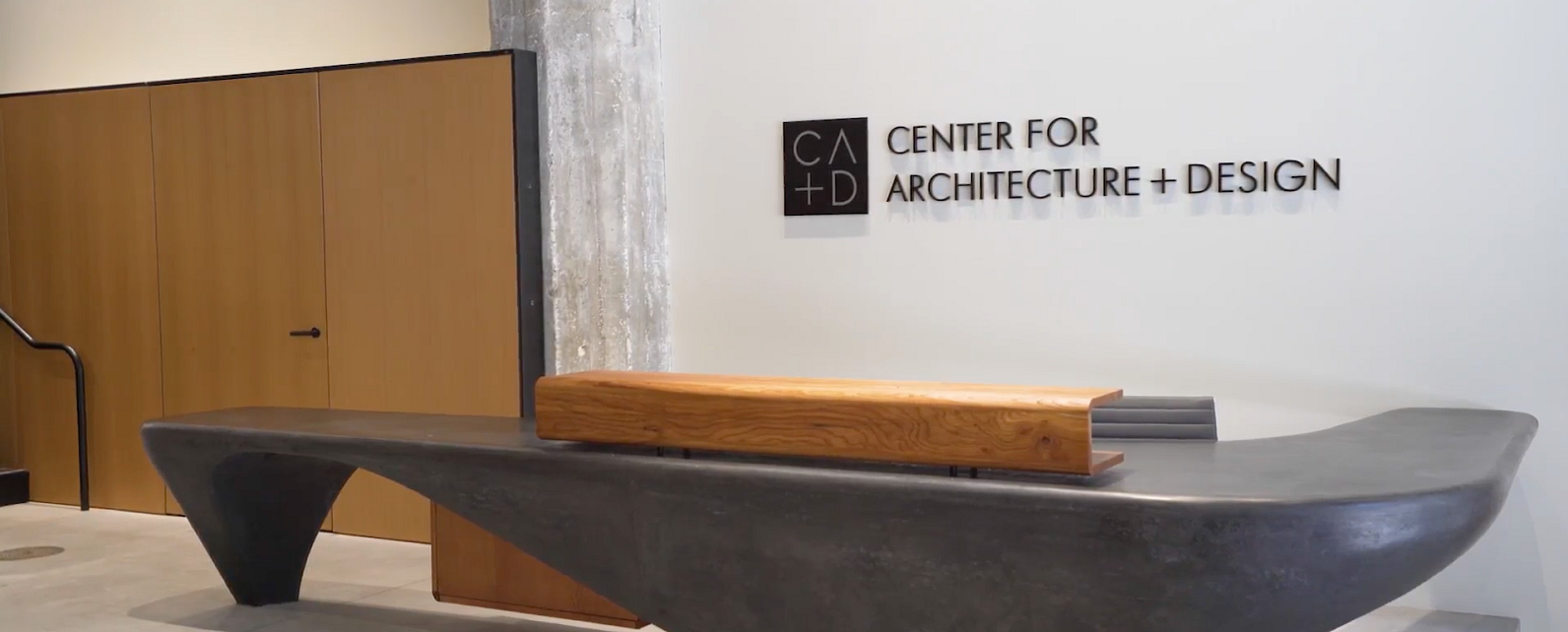
Smart Sustainability for a Historic Landmark in San Francisco
February 25, 2026
The Hallidie Building in San Francisco is more than an architectural landmark — it’s a symbol of innovation. Built in 1918, it was one of the world’s first buildings with a glass curtain wall façade. When the American Institute of Architects, San Francisco (AIASF), decided to relocate its headquarters to this iconic site, the goal was clear: to create a space that honors history while setting a benchmark for sustainable, forward-thinking design.
To achieve this, AIASF and its project partners needed a building system that could deliver modern comfort and energy efficiency — without disrupting the building’s delicate historic structure. That’s where Mecho and technology from EnOcean came together to deliver a perfect balance of performance and preservation.
The challenge: modern comfort in a historic shell
Integrating advanced building automation into a heritage structure poses a unique challenge. Traditional wiring or invasive installations can damage the architecture and compromise the building’s aesthetics. The design team sought a way to manage daylight, control glare, and enhance occupant comfort. All this while maintaining the building’s original façade and meeting LEED Gold certification* standards.
The solution: intelligent shading powered by EnOcean technology
Mecho provided a networked, Power-over-Ethernet (PoE) shading solution that delivers precise control over daylight and heat gain. To bring intelligent automation and user interaction to life, the system integrates wireless, energy-harvesting sensors and switches using technology from EnOcean.
These battery-free devices monitor natural light levels and occupancy, communicating real-time data to the Mecho control system. Shades automatically adjust throughout the day to optimize daylight, reduce glare, and minimize cooling loads. All of this without requiring hard-wired connections or ongoing battery maintenance.
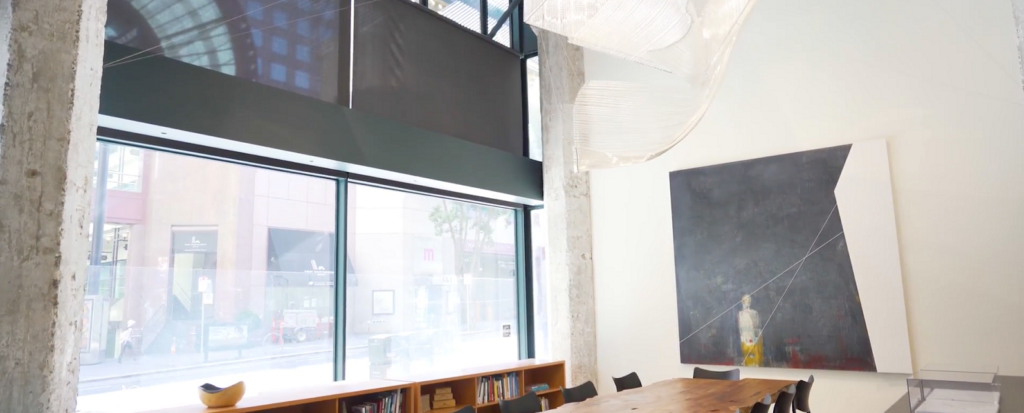
Because the devices harvest energy from ambient sources — such as light, motion, or temperature differentials — they eliminate the need for batteries or external power. This made them ideal for the Hallidie Building’s renovation, where preserving the structure and minimizing visible wiring were top priorities.
Results: sustainable comfort meets timeless design
The combination of Mecho’s automated shading and wireless control enabled by technology from EnOcean created a comfortable, energy-efficient environment. It alignes with AIASF’s mission of design excellence and sustainability.
Key outcomes:
- LEED Gold certification, achieved through energy savings and reduced environmental impact.
- Non-invasive installation, preserving the integrity of the historic façade by avoiding complex rewiring.
- Optimized daylight use, enhancing occupant well-being and productivity.
- Minimal maintenance, thanks to self-powered, battery-free operation.
- Seamless user experience, with centralized control via the Mecho App and local manual override through wireless switches.
Outlook: A model for the future
The AIA San Francisco project demonstrates how innovation and heritage can harmonize through thoughtful technology integration. With Mecho’s expertise in daylight management and technology from EnOcean enabling flexible, maintenance-free control, the Hallidie Building now stands as a living example of what’s possible when sustainability and smart design come together.
*About the LEED Gold Certification: The LEED Gold certification sets a global benchmark for sustainable buildings and represents the hallmark of the U.S. Green Building Council (USGBC). LEED (Leadership in Energy and Environmental Design) verifies that a building meets strict requirements for sustainable design and energy efficiency. Achieving the Gold level underscores adherence to these demanding criteria and showcases leadership in environmentally responsible construction.
